95 years ago the Supermarine S.6B broke the world speed record at 407 miles an hour
2026-09-29
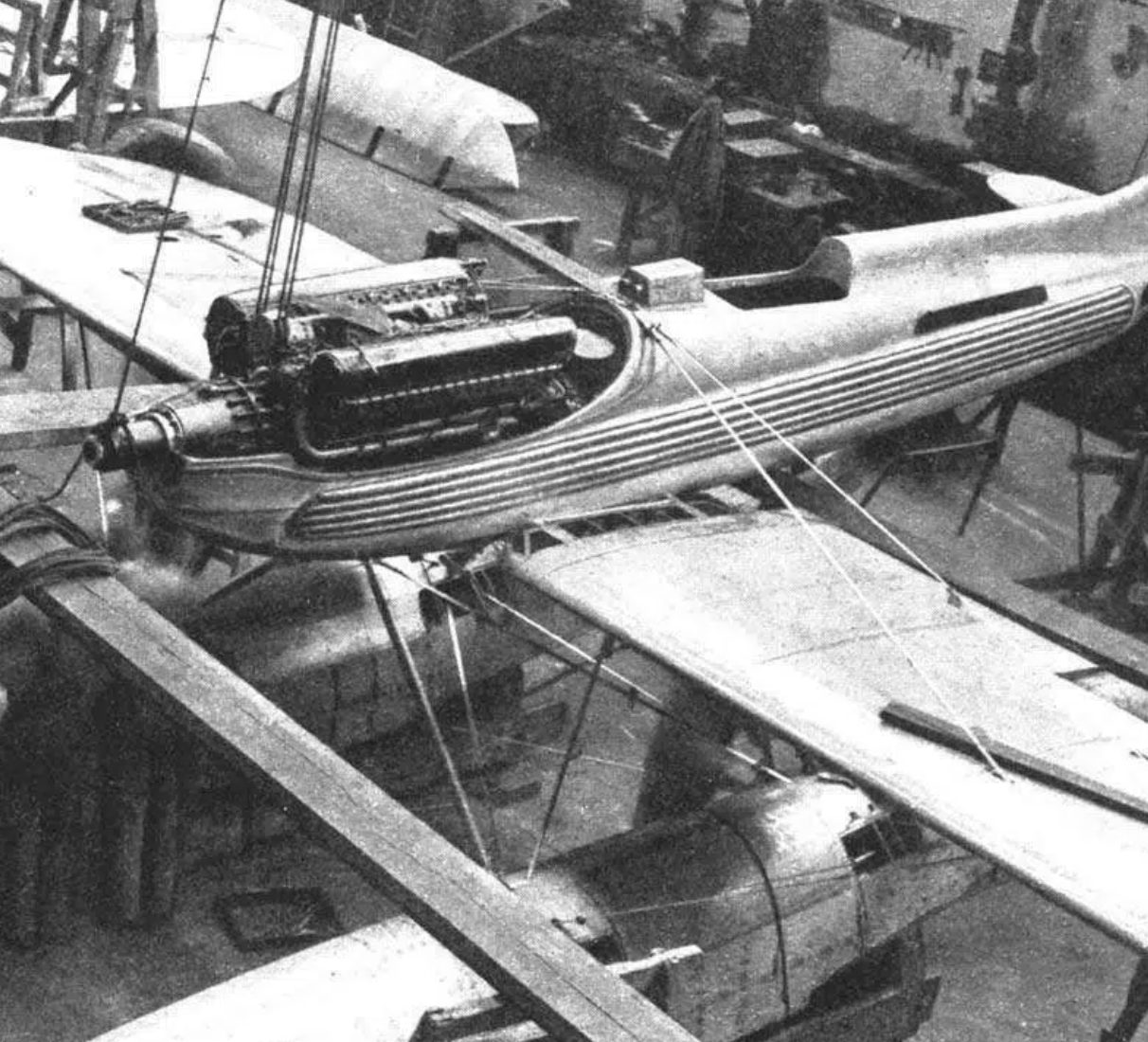
R.J. Mitchell would not live to see the evolution of this aircraft, his Supermarine Spitfire, fly in WWII. He passed away in 1937, but his legacy can't be understated. Many talented engineers carried on his work. Of note, the aeronautical engineer he assigned to develop the famous Spitfire wing was a Canadian.
Canadian aerodynamicist Beverley Shenstone designed the iconic elliptical wing of the Supermarine Spitfire.
Wing Design Details;
• The Aerodynamicist: Beverley Shenstone served as the chief aerodynamicist under R.J. Mitchell at Vickers-Supermarine.
• The Shape: They chose a thin, double-elliptical planform to minimize induced drag and allow for high speeds.
• The Challenge: The ultra-thin profile had to be strong enough while still housing retractable landing gear, eight machine guns, and ammunition
If you want to read more about Shenstone and how he shaped the iconic Spitfire wing, you can seek out the book "Secrets of the Spitfire: The Story of Beverley Shenstone, the Man Who Perfected the Elliptical Wing", but that is another story, and this one is about the Supermarine racer by RJ Mitchell.
See the rest of the article on that S.6B S1595 flight 95 years ago here at aviationnews.com.
post comment